
parkrun in the USA: the 5K where people learn your name
By AthRecs · 3 min read
From Michigan friendships to a university town’s Saturday gathering, the appeal stretches well beyond the finish line.
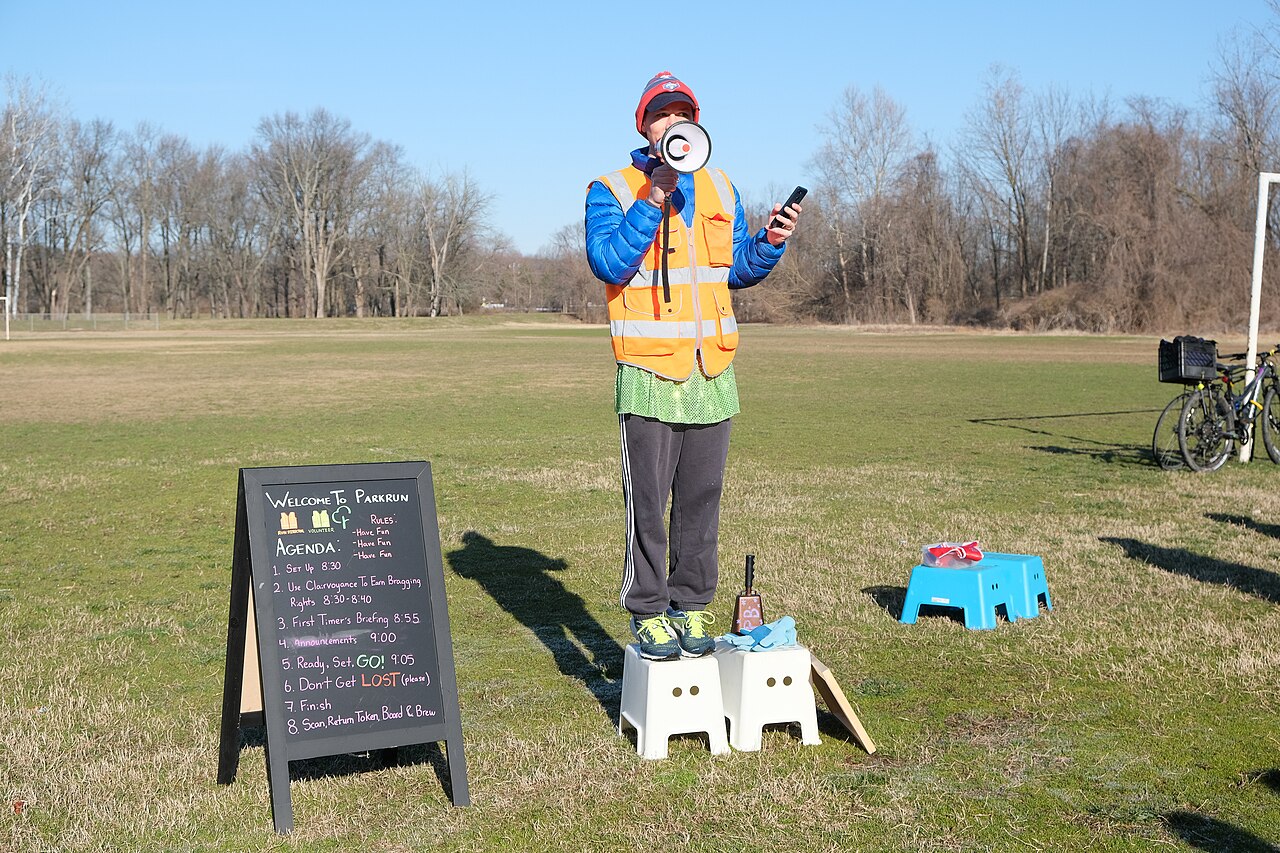
A free weekly 5K sounds useful. A place where people notice you have arrived can be worth rather more.
That is the promise worth exploring in American parkrun. You can train seriously, walk, return after a long break or volunteer. Somewhere among those options is a Saturday morning that does not require you to be impressive before you are welcome.
Coming home, and finding new friends
In a 2026 Livonia Today feature, Ann McHenry described moving back to the area after roughly 20 years away. She wanted somewhere to meet people and found a new circle through parkrun. Fellow participant Jennifer Greve spoke about the lasting friendships she had formed there.
A town can be familiar while your own place in it feels new. A weekly meeting offers a way to rebuild that circle, one conversation at a time.
The same report traces Livonia’s first event to 2 June 2012, with 28 participants and seven volunteers. Small gatherings can become dependable parts of people’s lives. You recognise a face, exchange a few words, then pick up the conversation the following Saturday.
Sources: Livonia Today: original 2026 interviews with participants and volunteers
A community outside the usual circles
At College Park in Maryland, University of Maryland graduate Emily Isaacson told the university’s magazine that people began knowing her name within her first few visits. parkrun gave her a community beyond school.
The same November 2025 report describes mathematician Larry Washington enjoying a circle of fellow participants in their 70s, and co-founder Andrea Zukowski discovering running after previously being inactive.
Those experiences belong alongside any headline performance. A student finds people outside the campus routine; an older runner keeps friends and an activity close; someone who once avoided running helps others try it. A public path becomes somewhere people have a reason to meet.
Sources: University of Maryland’s original reporting on College Park parkrun
Another way to appreciate a quick run
At Clermont Waterfront, Ani Veltcheva ran 17:17 on 18 March 2017. Volunteer Kendyl Cardwell’s 2018 event report listed its age-grading score of 94.21% as the course record at that time.
Age grading gives another perspective on a result, alongside the finishing time. It helps put performances by people of different ages in context. You can enjoy that detail and still be thoroughly pleased with your first finish.
Some Saturdays you may want the stopwatch to tell you something. On others, being there is enough. There is room for both approaches, even within the same person’s month.
Sources: Clermont Waterfront volunteer’s report preserving the 2017 age-graded course record
Check the local clock
Do check the individual event before heading out. American starting times vary, and some change with the season. Livonia’s 2026 information gives 8am from June to September and 9am from October to May; that is a local example, not a rule for the country.
Register, take your barcode and arrive in time for the briefing. Ask where newcomers should gather. You may feel awkward for a minute. That is allowed. Most good friendships began with two people who had not yet thought of anything clever to say.
Quick answers
Is parkrun only for experienced runners?
No. Participants can walk, jog, run or volunteer; the format welcomes people starting out.