
parkrun in Australia: extraordinary times, ordinary Saturday people
By AthRecs · 3 min read
From James Hansen’s sub-14-minute run to the volunteer who makes you feel at home, there are several ways to have a memorable morning.
A parkrun result can contain numbers that look as though somebody has missed a digit. Under fourteen minutes for five kilometres? Some of us have taken longer choosing a playlist.
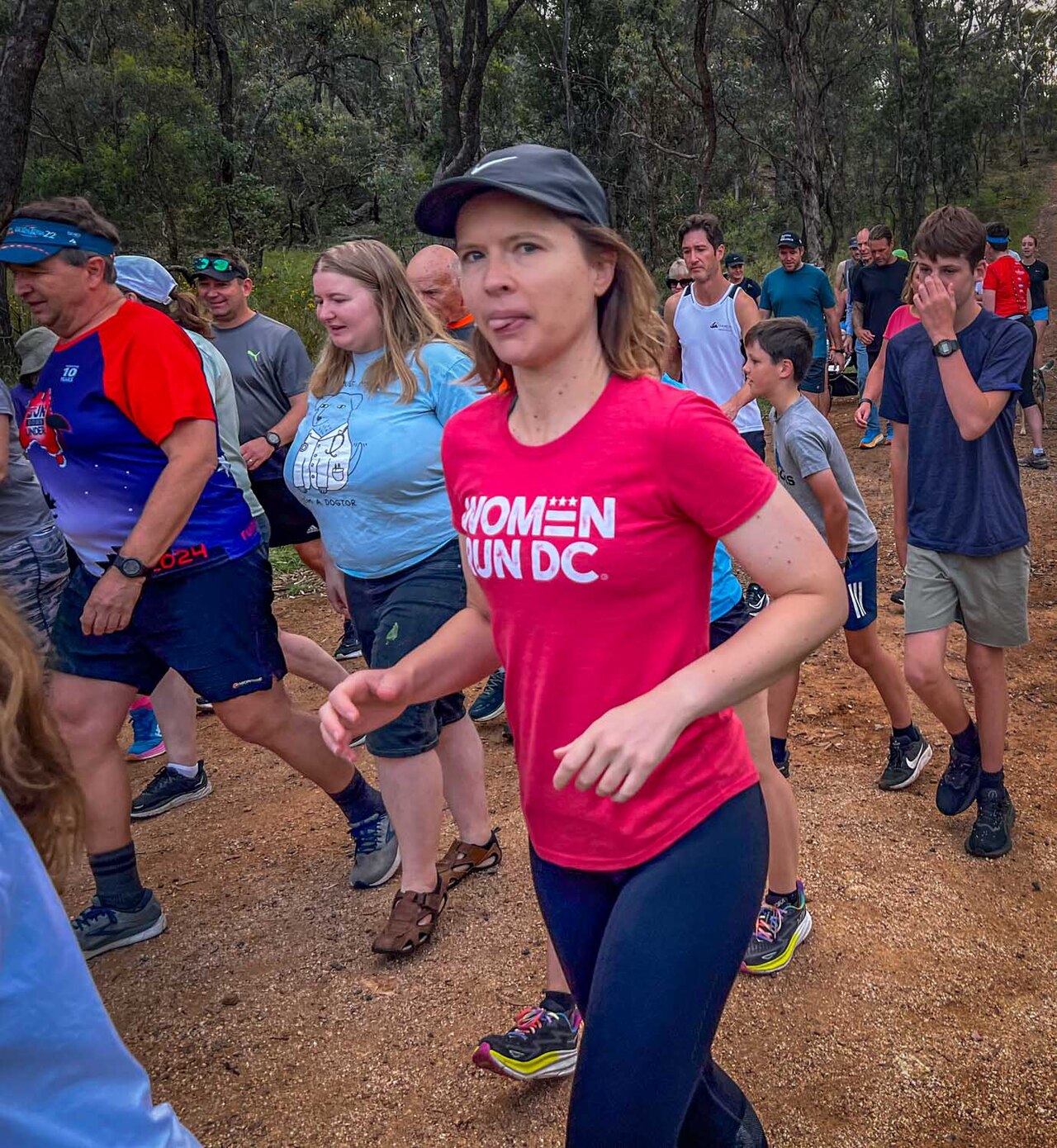
Australia has produced remarkable parkrun performances. It has also made room for people who walk the course, people who have just started and people who prefer a volunteer role. The same morning can accommodate a serious training effort and somebody discovering that organised activity is much less intimidating than they feared.
Two Saturdays worth remembering
At Launceston on 27 August 2022, James Hansen ran 13:53. ABC’s contemporary report described it as an Australian record, nine seconds quicker than the previous best. His account of the work behind it offers a useful reminder that an astonishing result still has a human being behind the stopwatch.
On 31 December that year, Isobel Batt-Doyle recorded 15:25 at Aldinga Beach. In a later interview with Runner’s Tribe, the Olympian discussed the performance as the women’s parkrun world best she set that day.
An international athlete can turn up at the same free gathering as someone completing their first five kilometres. Both have a reason to be there; neither needs to borrow the other’s ambition.
| Athlete | Event | Performance | Date |
|---|---|---|---|
| James Hansen | Launceston | 13:53; reported Australian best at the time | 27 August 2022 |
| Isobel Batt-Doyle | Aldinga Beach | 15:25; then women’s world best | 31 December 2022 |
Sources: ABC’s interview with James Hansen after his 2022 Australian best · Isobel Batt-Doyle discusses her Aldinga Beach performance with Runner’s Tribe
The person with the barcode scanner matters too
parkrun Australia’s own introduction features Michael, who was 80 when he shared his experience of volunteering on the Gold Coast. Someone can be central to a running community without trying to run faster.
A good Saturday gathering needs that range. The person checking on a newcomer, the reassuring marshal and the walker who brings a friend all help create a place people want to return to.
An age-category performance can be impressive. So can staying involved through the different stages of a life. Keep the result that matters to you, and make room in the story for the people who helped it happen.
Sources: parkrun Australia’s official introduction and participant stories
Check the alarm before setting it
Australian start times vary by location. The official national guidance specifically asks visitors to check their event’s own homepage. A habit acquired in Britain is no substitute for checking the clock when you travel.
The organisation also confirms that walking is welcome, there is no time limit and a volunteer Tail Walker accompanies the back of the event. Register once and bring your barcode for a recorded result.
After that, keep your first visit manageable. Wear something comfortable, arrive early enough to hear the briefing and ask if you are unsure where to go. Nobody needs a dramatic entrance, although turning up with your shirt inside out does give you an immediate conversation starter.
Give yourself permission to be a beginner. Next time you will know where the start is. A few visits later, you may recognise the volunteer who welcomed you. Somewhere along the way, a spare hour on Saturday might become a part of the week you protect.
Sources: Official Australian guidance on start times, walking and registration
Quick answers
Do all Australian parkruns start at the same time?
No. Check the individual event’s official homepage for its local start time and any cancellation.